The Lorenz Lens
Most things that change you do not feel like they are changing you at the time. They feel small. Ordinary. Easy to overlook. And then one day you notice the world looks slightly different, and you are not entirely sure when that started.
About six years ago, in 2020, I was in Sri Lanka on a trip with my family. At the time I had a little point-and-shoot camera, and with basically no real direction, I would just take photos of whatever looked cool to me. A lot of it was nature, but usually not in the obvious way. I liked scenes that felt slightly abstracted, things framed in a way most people probably would not stop to look at. When we got back, my parents bought me my first real camera, a Nikon D5600. I know what all the Sony people are about to say, hush. It was nothing crazy, but honestly it was better than any camera I could have asked for at that point. It had everything I actually needed, nothing I did not, and it forced me to be resourceful. Because it was still relatively simple, I had to think on my feet, work within limits, and be creative instead of relying on gear to do the work for me. Looking back, that was probably the best possible way to start.
From that point on, I set a goal for myself: take one photo a day and post it. Nothing too deep at first, really just a digital archive. Maybe someone would like it, maybe not, who knows. But that small routine ended up mattering way more than I expected. For a couple of months, every single day, I would go out, take a photo, and post it on Facebook. Day after day, I kept trying to apply one new thing I had learned, whether that was framing, lighting, timing, editing, or just noticing something I would have walked past before.
If you look at those photos now, the progression is actually super obvious. You can see the power of repetition in a very literal way. The shots get cleaner, more intentional, more confident. It was one of the first times I really saw what happens when you just keep showing up and doing the thing, even when nobody is asking you to.
I kept that up for around 150 days, and eventually I hit a kind of turning point. I was running out of things to shoot in my neighbourhood that felt fresh, or at least fresh enough to be better than what I had already done. That started to change the challenge. It was no longer just about finding something nice to photograph, it was about seeing differently. I had to look harder, experiment more, and push myself to make something ordinary feel new again. In a weird way, that constraint was probably just as useful as the camera itself. It forced me to stop relying on novelty and start relying on taste, patience, and attention.
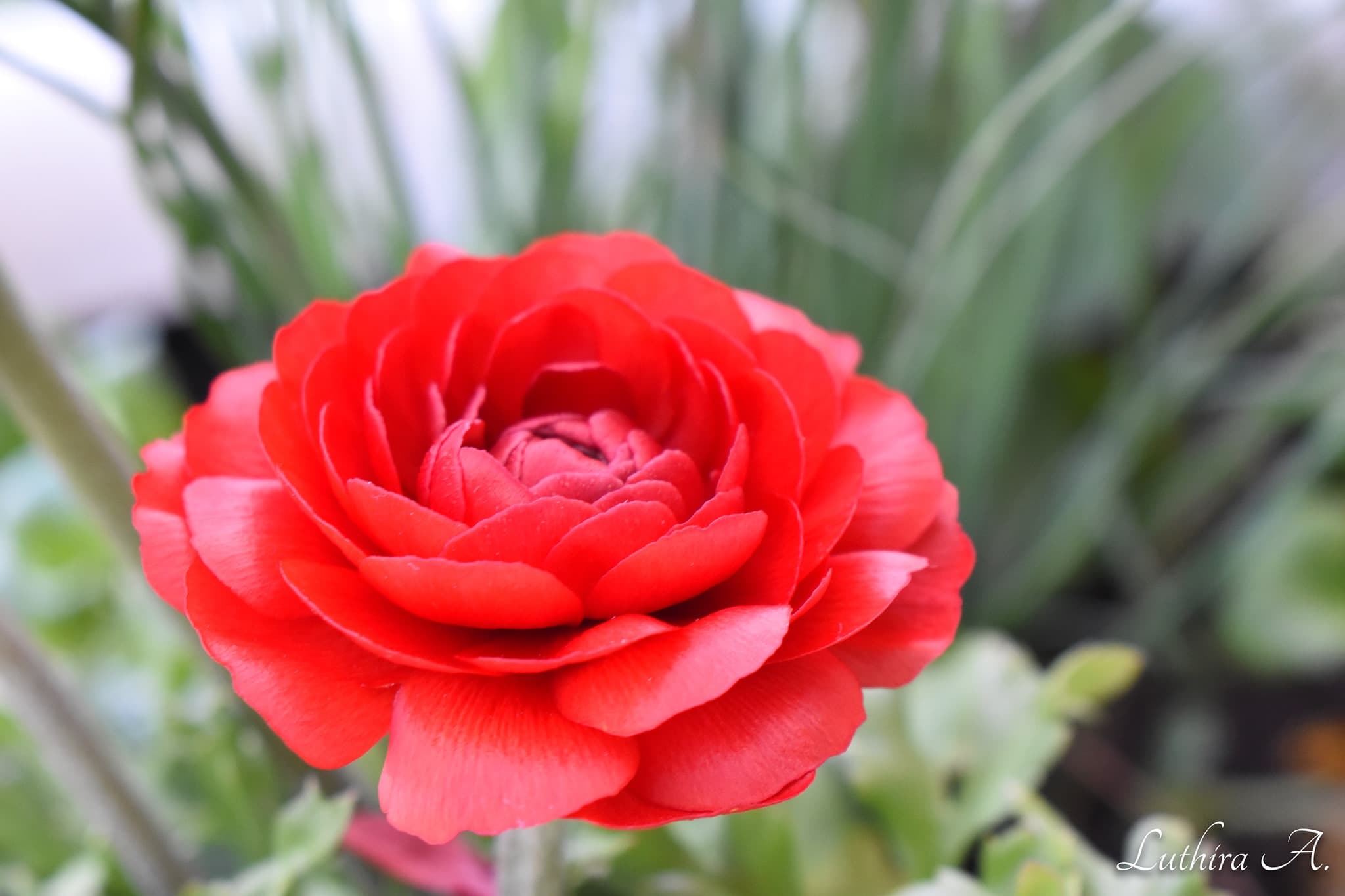
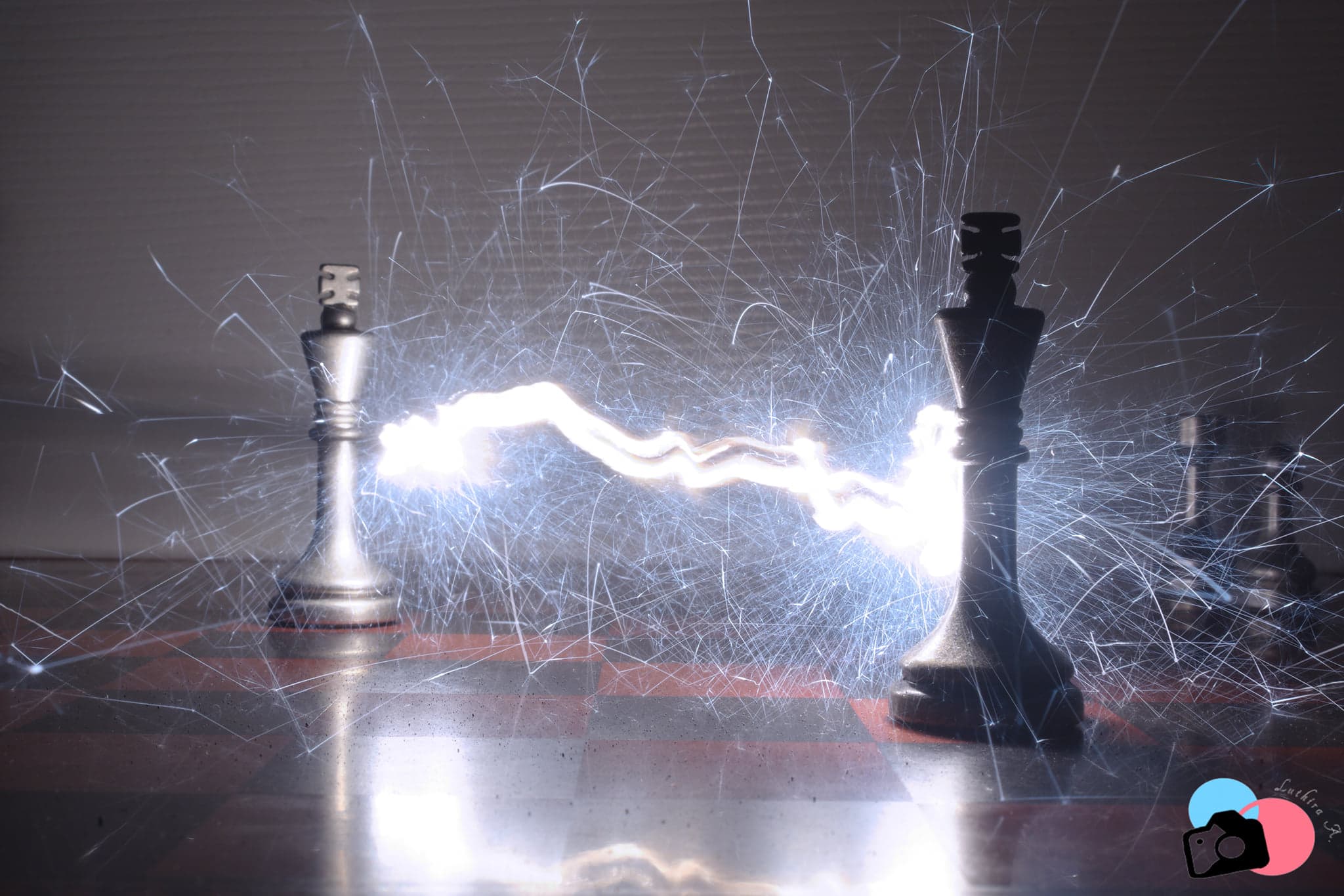
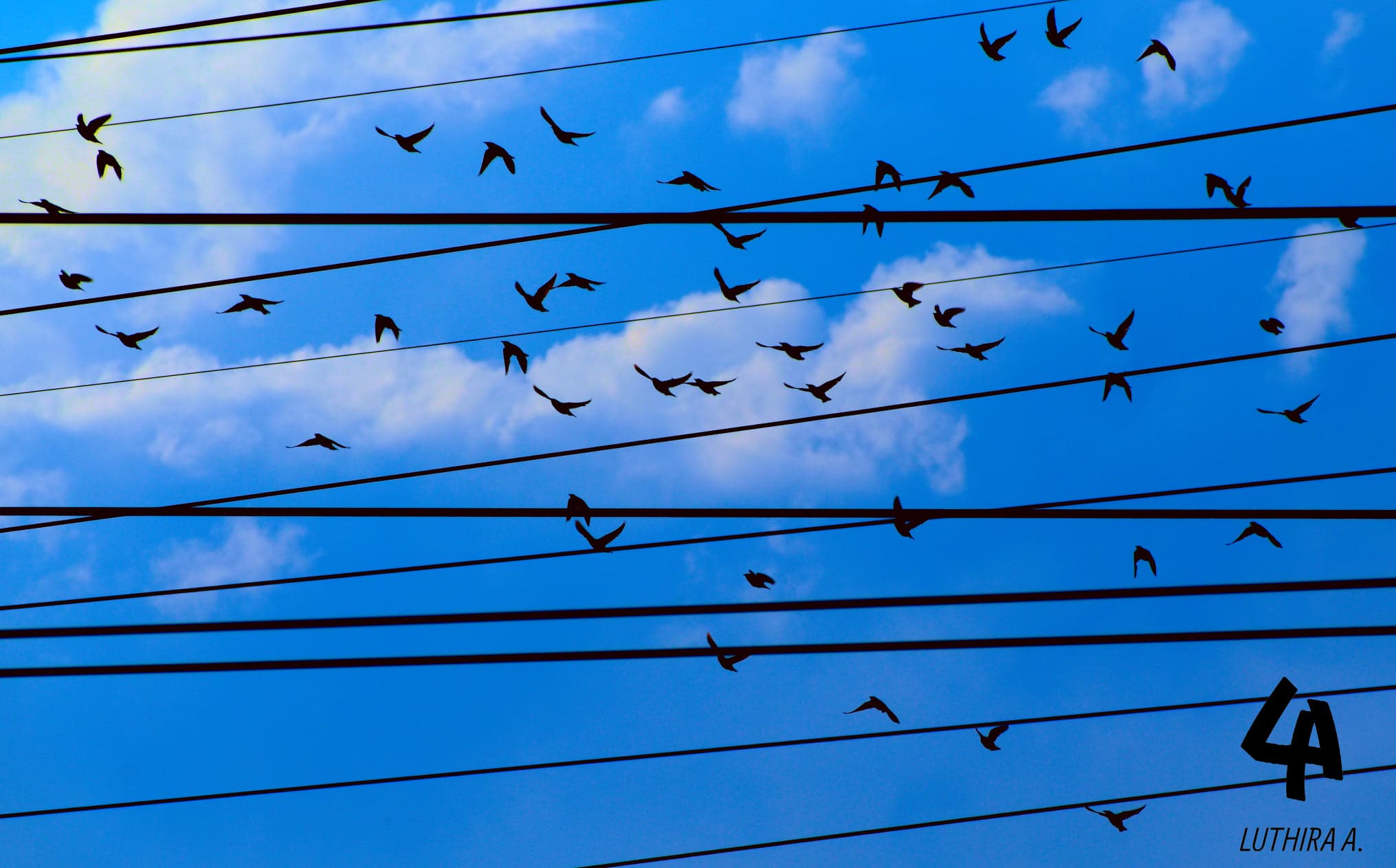
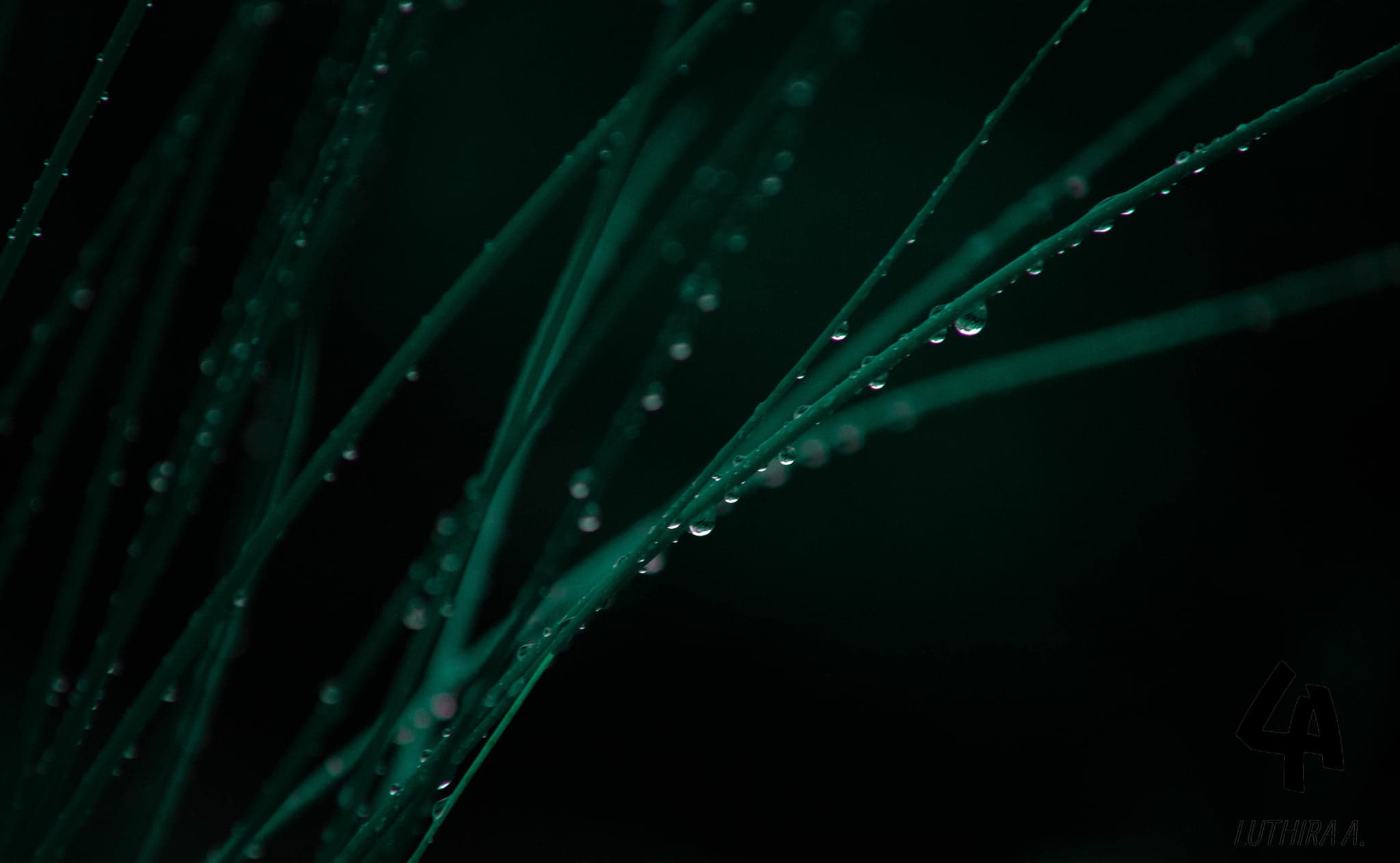
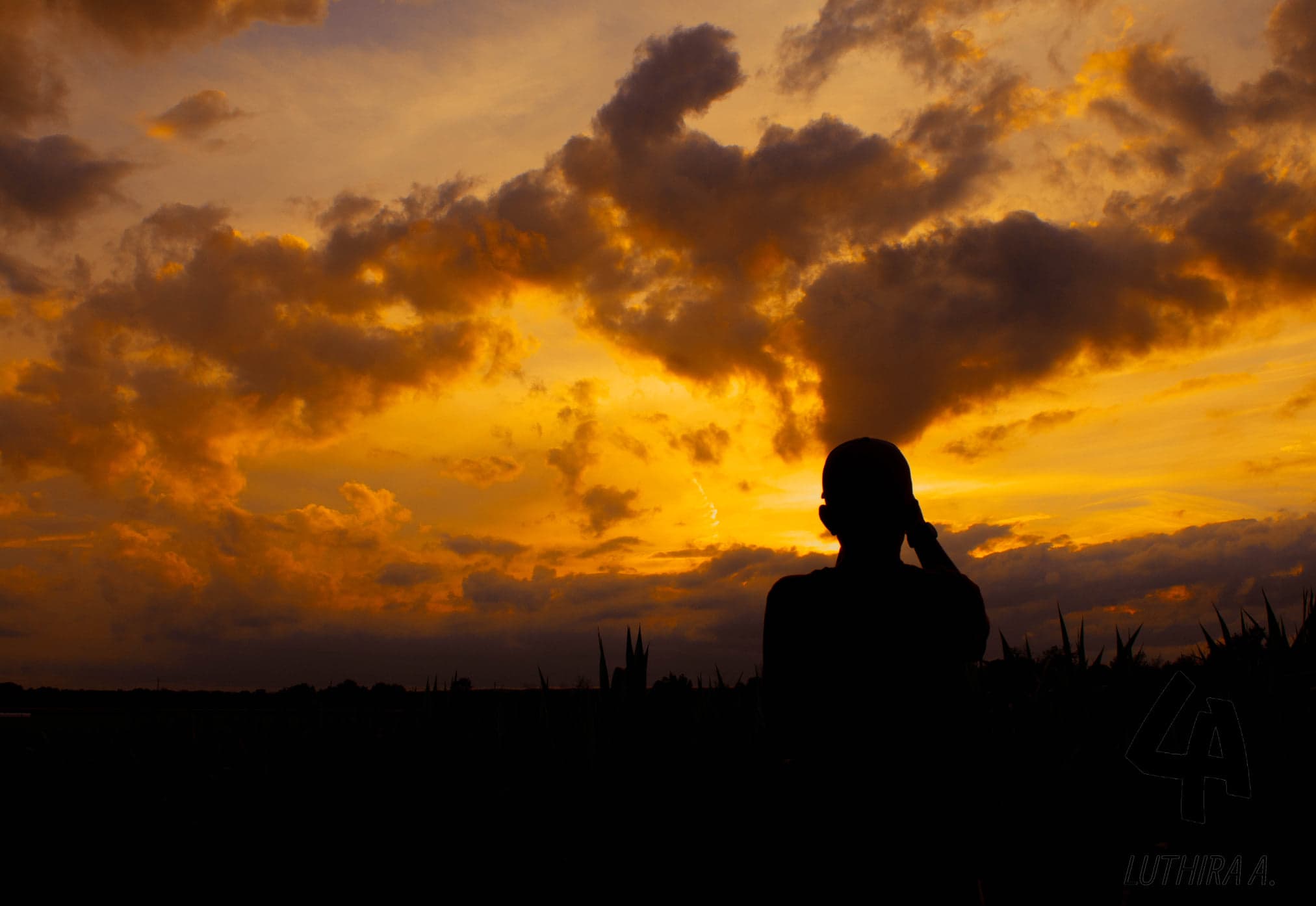


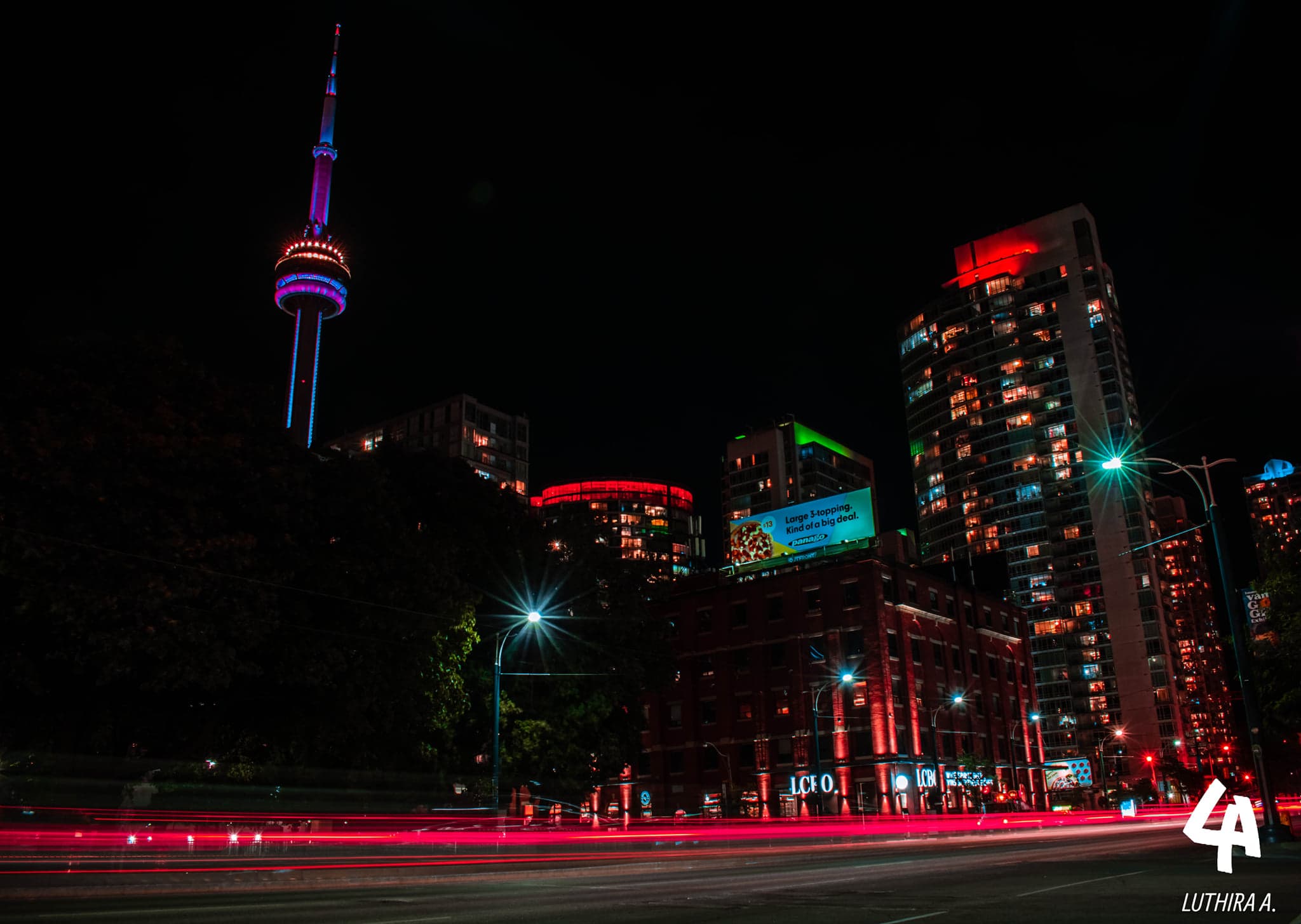



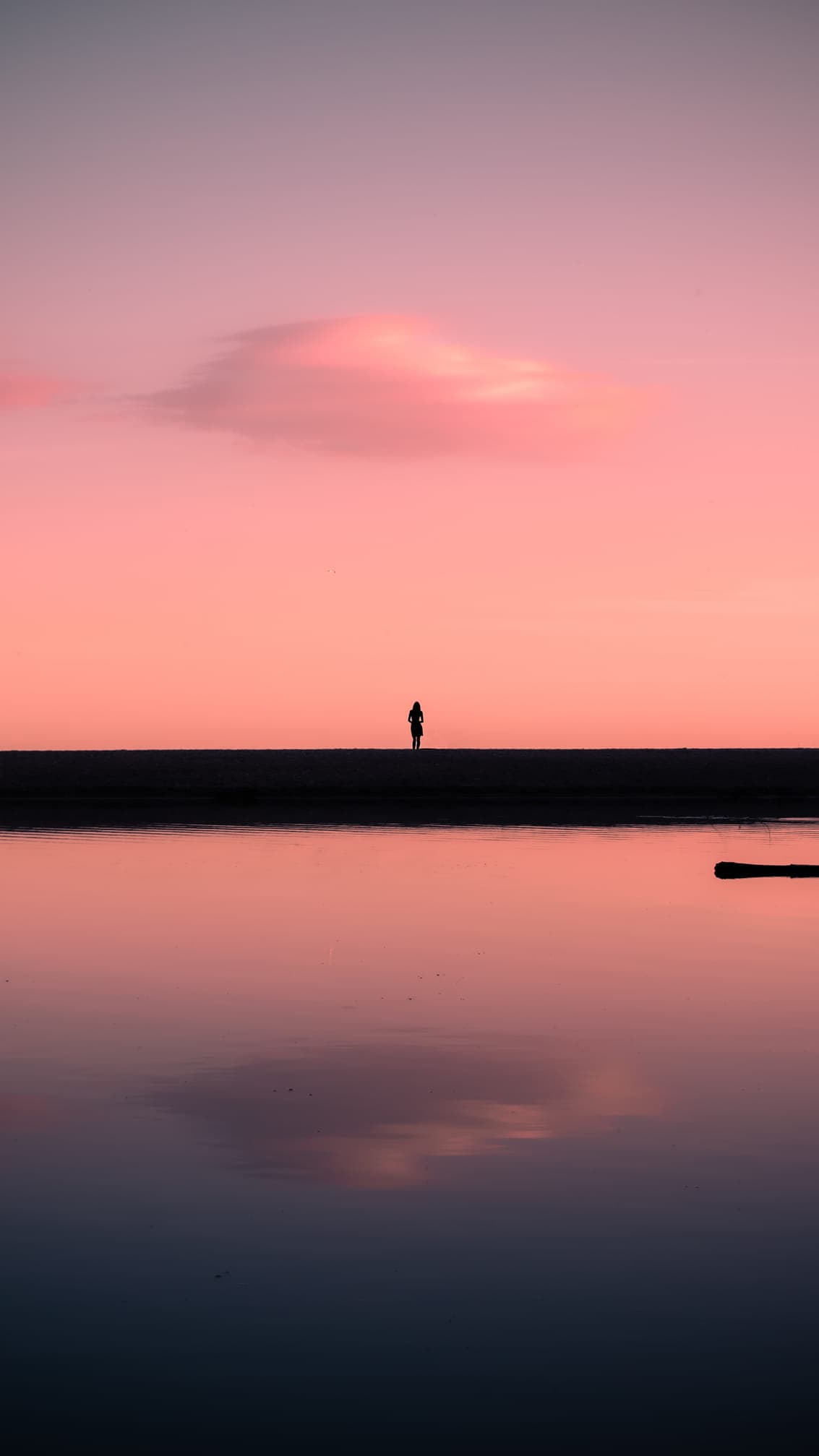
Now:

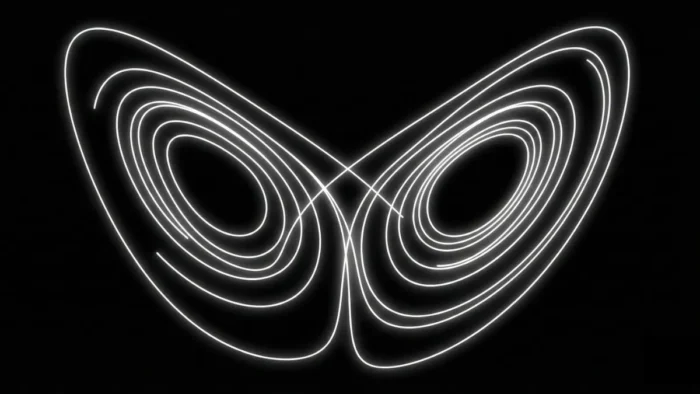
Every now and then I still take photos now, mostly on special occasions or during trips or whenever something feels worth capturing. But looking back, this whole phase was one of the best things that could have happened to me. The camera, the timing of it, the habit of making something every day, all of it landed at exactly the right point in my life. I think chaos theory explains this perfectly.
Chaos theory is often reduced to the butterfly effect, but the deeper idea is more precise than that. In Lorenz's work on weather, tiny differences in initial conditions could produce dramatically different outcomes later on. The system was deterministic, but highly sensitive. Small changes at the beginning mattered far more than intuition would suggest.
That idea has always felt less like an abstract scientific curiosity and more like a description of how life often unfolds. The things that shape you rarely announce themselves as turning points. They arrive quietly: a trip, a camera, a routine, an interest that seems minor at the time. Nothing about taking one photo a day felt especially consequential while I was doing it. It was just a small discipline, repeated long enough to become part of how I saw.
But that is exactly what chaos theory helps illuminate. Some systems are sensitive enough that a modest change at the start can alter the path in ways that only become visible much later. The point is not that every small event transforms a life. It is that certain small beginnings carry much more weight than they appear to in the moment. Weather is the classic example, because even tiny perturbations can make long-range forecasts diverge sharply over time. The human version is quieter, but it feels familiar. A minor habit becomes a way of thinking. A passing interest becomes a lens. Repetition changes perception, and perception changes direction.
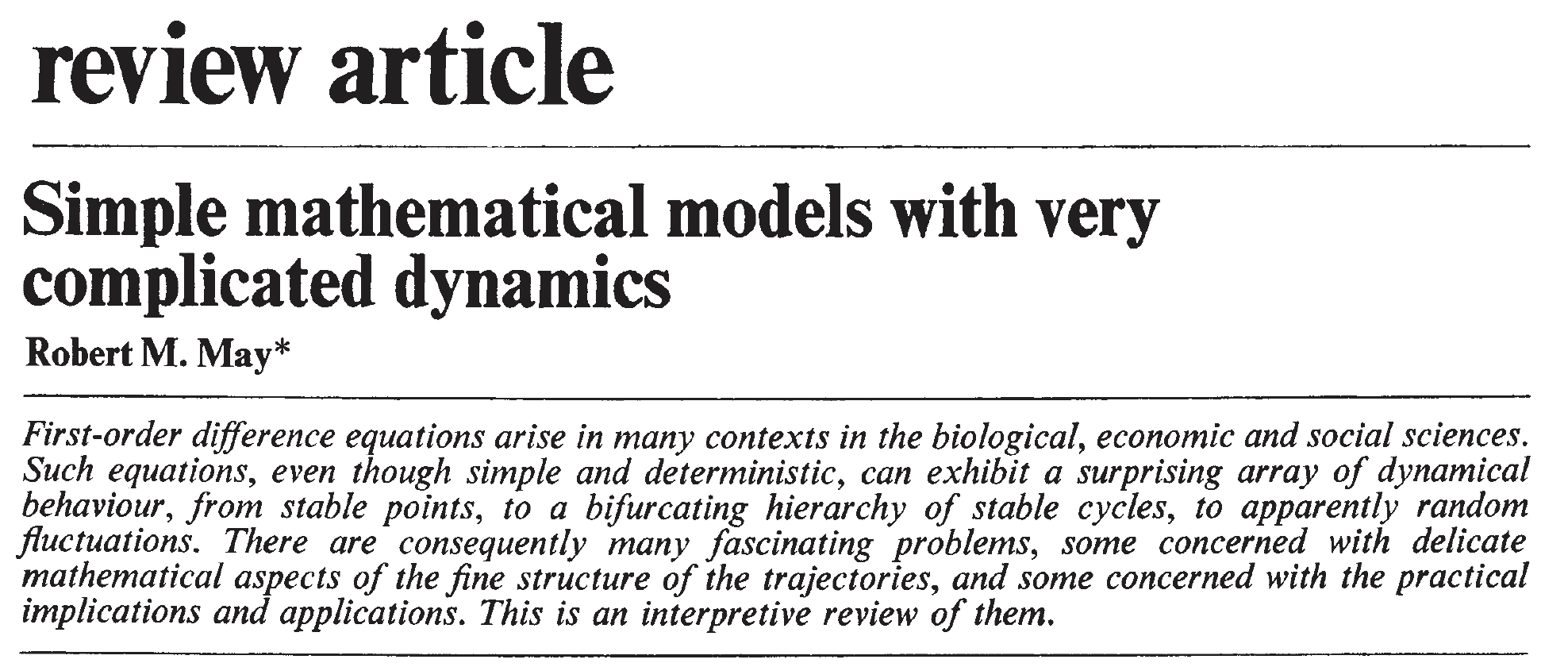
There is a paper by Robert May from 1976 called Simple Mathematical Models with Very Complicated Dynamics, and it gets at this idea really well. May showed that even a very simple model can behave in completely different ways over time. It can look stable, then start oscillating, then become chaotic, all without the underlying rule becoming any more complicated. That is the part that stuck with me. Complexity does not always come from complexity. Sometimes it comes from repetition, sensitivity, and time.
That feels a lot like life. A lot of what shapes you starts off looking insignificant. A camera. A routine. A small creative habit. Nothing about it seems big enough to matter that much. But repeated long enough, it changes what you notice and how you think. It becomes part of you. Looking back, that is what one photo a day was for me. Not some dramatic turning point, just a small rule repeated over time, until the person following it was no longer quite the same.
That is what photography did for me. It trained my attention before I had any serious language for what I was learning. It taught me to notice structure, contrast, timing, and composition. More than that, it taught me that a way of seeing can be built gradually. You do not always notice the divergence while it is happening. Sometimes the only way to understand what changed is to look back and realize you are no longer seeing the world in the same way you once did.
This is probably the most compelling part of chaos theory for me. It resists the clean, linear stories people like to tell about growth. We prefer narratives where one major event leads neatly to one major outcome. Real life is usually less legible than that. Change is often incremental, nonlinear, and only obvious in retrospect. Chaos theory does not make life random. If anything, it makes it feel more structured and more humbling at the same time. Small beginnings matter, not because they are dramatic, but because some systems are sensitive enough that they do not need to be.
Looking back, that camera was one of those beginnings.
Sources:
Veritasium — This equation will change how you see the world (Chaos Theory)
Robert May — Simple Mathematical Models with Very Complicated Dynamics (1976)